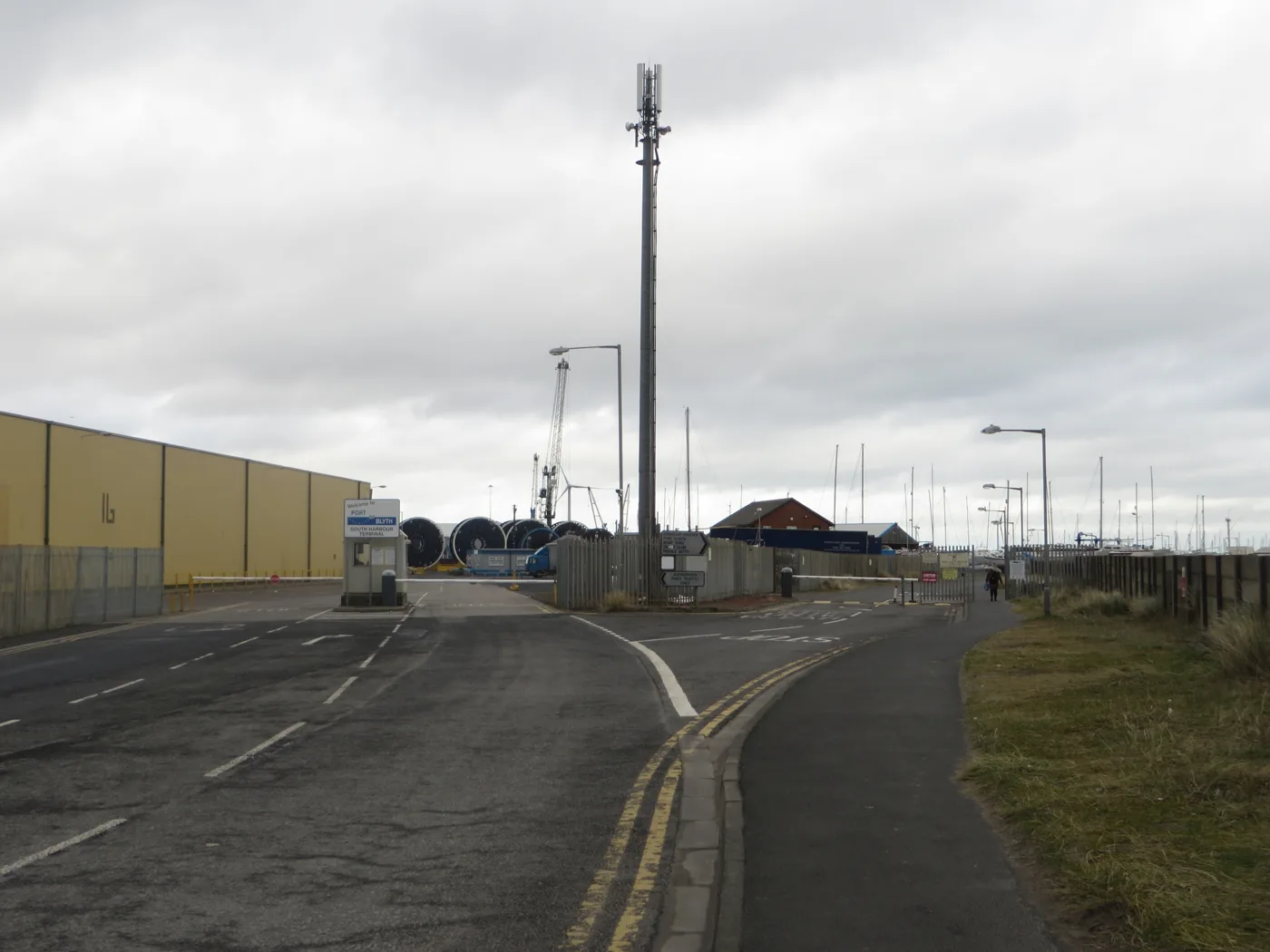

The Port of Blyth plans up to £200m of work by 2037, led by a £100m to £150m Battleship Wharf expansion. A deeper channel comes first, in 2027 and 2028.
The Port of Blyth plans to spend up to £200 million over the next decade on a bigger Battleship Wharf, longer quays, new warehouses and a deeper channel.
The port launched what it calls its “Future Ready” strategy on Thursday 12 November, at the Offshore Wind North East event. The Maritime Minister, Keir Mather MP, visited the port the same day (Port of Blyth).
The port says the aim is to handle bigger ships and more offshore wind work, and to make room for manufacturers and suppliers to set up beside the quays.
Four projects, from 2027
The port’s Future Ready page splits the money into four projects. Each comes with a cost range and a span of years.
| Project | Years | Cost |
|---|---|---|
| Channel and berth deepening | 2027 to 2028 | £4m to £5m |
| South Harbour enhancements | 2027 to 2029 | £15m to £20m |
| Battleship Wharf expansion | 2027 to 2030 | £100m to £150m |
| Bates Clean Energy Terminal | 2027 to 2037 | £30m to £35m |
Battleship Wharf takes by far the largest share. The port says the locations on its plan are indicative.
What would be built
At Battleship Wharf, the port plans:
- about three hectares of reclaimed land
- a 310-metre quay extension
- two warehouses of 1.5 hectares each, at the west and east ends, for manufacturing and fabrication
At South Harbour:
- a 55-metre extension to North Quay, so it can take vessels up to 220 metres long
- a large electric crane
- 1.2 hectares of extra laydown space, made by moving roadways
- the Inner West Pier shortened by 70 metres, to give ships more room to turn
At Bates Clean Energy Terminal and nearby:
- three warehouses of 3,000, 2,250 and 2,100 square metres
- 50-metre quay extensions at Bates and at Wimbourne Quay
The first job is dredging. The port says it “underpins the entire Future Ready Strategy”. The main navigation channel would go from 6.7 metres to up to 7.7 metres deep at lowest astronomical tide. The North Quay berth would go from 8.5 to 9 metres, and the BW4 berth at Battleship Wharf from 9 to 9.5 metres.
Who is paying
The port has not said how the full £200 million will be raised. It says only the early development phase is funded so far.
That phase is paid for jointly by the port, Northumberland County Council and the North East Mayoral Strategic Authority. On top of that is £275,000 of match funding from The Crown Estate’s £50 million Supply Chain Accelerator Fund.
What they said
Martin Lawlor OBE, the port’s chief executive, said the strategy “represents an exciting next chapter for the Port of Blyth”. He said it would create “new opportunities for businesses, attracting inward investment and supporting the continued growth of the UK’s clean energy sector”.
Keir Mather said: “I welcome the £200 million ‘Future Ready’ investment, which shows Blyth seizing the opportunities that clean energy offers our ports.”
The North East Mayor, Kim McGuinness, said it “sets out a clear investment plan for the next 25 years”.
What it means for you
- No jobs figure yet. The port says the plan will support jobs, skills and new businesses across Northumberland, but it has not published a number.
- It is a plan, not a start date. The port calls the launch “the beginning of a longer-term programme of development and engagement”. The earliest work is pencilled in for 2027.
- More industry by the river. The new warehouses are meant for firms that make, fabricate and store offshore wind parts. The port puts them in the same Energy Central cluster as the Energy Central Institute, the £25m training centre now being built on the old Keel Row site.
The port has said it will keep working with what it calls its stakeholders as the plans develop. We will report each project as it reaches planning or a marine licence.
Have your say