
Pledges of £5.5m in days took the Rothbury appeal past £26m of £30m. Two separate deadlines now apply, and trustees have agreed a loan to cover any shortfall.
The appeal to buy the rest of the Rothbury Estate took £5.5m in pledges in a matter of days, and is now past £26m of the £30m it needs. Northumberland Wildlife Trust and The Wildlife Trusts announced the surge on Wednesday 26 August, calling it the biggest boost of the two-year campaign and saying the appeal is “within touching distance” of the target.
It came within days of the £20m milestone the charities marked on 13 August, which we covered at the time. The money is pledges from a number of philanthropists rather than a single gift.
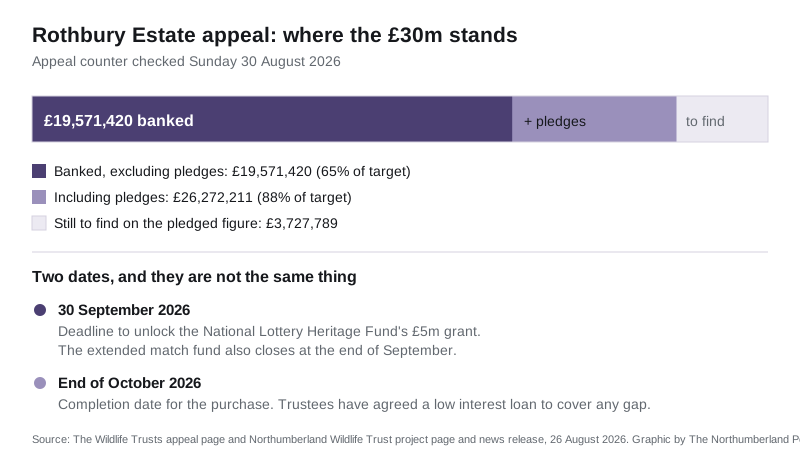
The live counter on the appeal page bears the jump out. Checked on Sunday 30 August, it showed £19,571,420 raised excluding pledges and £26,272,211 including them, against the £30,000,000 goal. On 14 August the same two figures were £18,868,983 and £20,773,837. The pledged total has moved by just under £5.5m in sixteen days. The banked total has moved by about £700,000.
That leaves £3,727,789 to find on the pledged figure, and rather more than £10m on the banked one.
What actually landed
The 26 August statement sets out where the boost came from and what it unlocks:
- pledges totalling £5.5m from a number of philanthropists
- a £500,000 donation given specifically to extend a match fund appeal
- the match fund itself, which was set up to run through August with a £100,000 target and hit that within a week
- an extended match fund now running to the end of September, with the potential to raise £1.2m towards the campaign total
Match funding means a donation is doubled by the fund rather than counted once, which is why £500,000 can be worth more than £500,000 to the total.
The two deadlines are not the same date
This is the part that gets muddled, and it matters if you are deciding when to give.
The first date is the National Lottery Heritage Fund’s. Its £5m grant, announced on 19 March, is conditional. To unlock it, the charities “must raise the remainder of the funding by the end of September 2026”. A sixth of the target therefore depends on hitting the rest of it by 30 September.
The second date is the purchase itself. The trust’s own project page refers to “the completion date at the end of October 2026”. The appeal page still carries the shorter September framing. Both statements are the charities’ own, and they describe different things: one is a grant condition, the other is when the sale has to complete.
What happens if they fall short
Our 14 August piece left this open, because the charities had not said. They have now.
Northumberland Wildlife Trust’s project page states that trustees “have agreed that, if required, a low interest impact loan can be taken out to cover any remaining gap between what has been raised and the total amount needed”. The stated aim is to secure the estate “without compromising our long-term vision for nature recovery”.
Fundraising continues alongside it. The page says the trust will “continue fundraising alongside this approach, with every additional pound raised helping reduce any borrowing requirements”. Money given now reduces what has to be borrowed rather than becoming redundant.
That is a meaningful change in the risk. In August the question was whether the purchase would happen. The charities’ position now is that it will, and the open question is how much of it is paid for by debt.
Where the money has come from
The charities describe donations arriving from Finland, Bermuda, the United States and the Philippines. Closer to home, the fundraising has been unglamorous and local:
- wreath-making workshops
- selling Christmas trees
- hand-felted mushrooms and bunnies, sold from a shop on Rothbury high street
Mike Pratt, chief executive of Northumberland Wildlife Trust, said: “Having marked the incredible £20m milestone moment only last week, it has been the most extraordinary few days for the appeal and we’re really excited to now be within touching distance of the £30m needed to purchase the entire estate.”
What it means for you
Simonside is not affected either way. The Wildlife Trusts bought the first tranche of the estate, including the Simonside Hills, in October 2024, with an agreement to buy the rest within two years. That land is theirs regardless of how the appeal ends.
If you want your donation doubled, give before the end of September. The extended match fund runs to then, and the Heritage Fund’s £5m condition falls on the same month end. Donations after that still count towards the purchase, but they do neither of those two things.
Check the counter, not the headline. The appeal page shows two numbers, with and without pledges, and the gap between them is currently about £6.7m. A pledge is a promise, not banked money.
Access is not changing yet. The trusts have committed to keeping existing rights of way and open access land on the upland areas. Cragside, just outside Rothbury, is a separate National Trust property and is not part of this sale at all. Opening times and prices are on our things to do in Northumberland page.
Enquiries go to the trust, not the council. This is a private land sale, not a planning matter, so nothing about it appears in the Northumberland planning register. Northumberland Wildlife Trust is registered charity number 221819.
Have your say