
Lab tests confirm creosote on Blyth Beach, likely from a timber treatment works that closed around 1980. The north end stays shut and there is no clean-up date.
Laboratory tests have confirmed that the pollution on Blyth Beach is creosote. The likely source is a former timber treatment works on land next to the affected stretch, which operated until about 1980.
Northumberland County Council published the findings in its 5 October update on the incident. It speaks for the council, the Environment Agency, the Port of Blyth and other partners. Historical records suggest creosote was used in the works’ treatment process.
In August, Environment Agency samples had only “suggested” creosote, and no source had been named. Our report from 27 August covers how the incident began.
What has changed
- The substance is confirmed. Lab testing has confirmed creosote, a coal tar product used to preserve timber.
- A likely source is named. It is the former timber treatment works next to the beach, which closed in about 1980. The council does not name the works or the landowner.
- Specialists are on it. The Port of Blyth has appointed specialist consultants. A detailed site investigation plan is being drawn up, and options for cleaning up the contaminated land are being assessed.
- Sea testing has started. The Environment Agency has begun a regular programme of seawater sampling along Blyth South Beach. The first sample was taken last week.
- More signs are coming. Extra weatherproof signs will go up before winter.
What is still closed
Nothing has been lifted. The restrictions remain in place and stay “under review as further evidence becomes available”.
- Do not enter the affected area, and follow the signs on the beach.
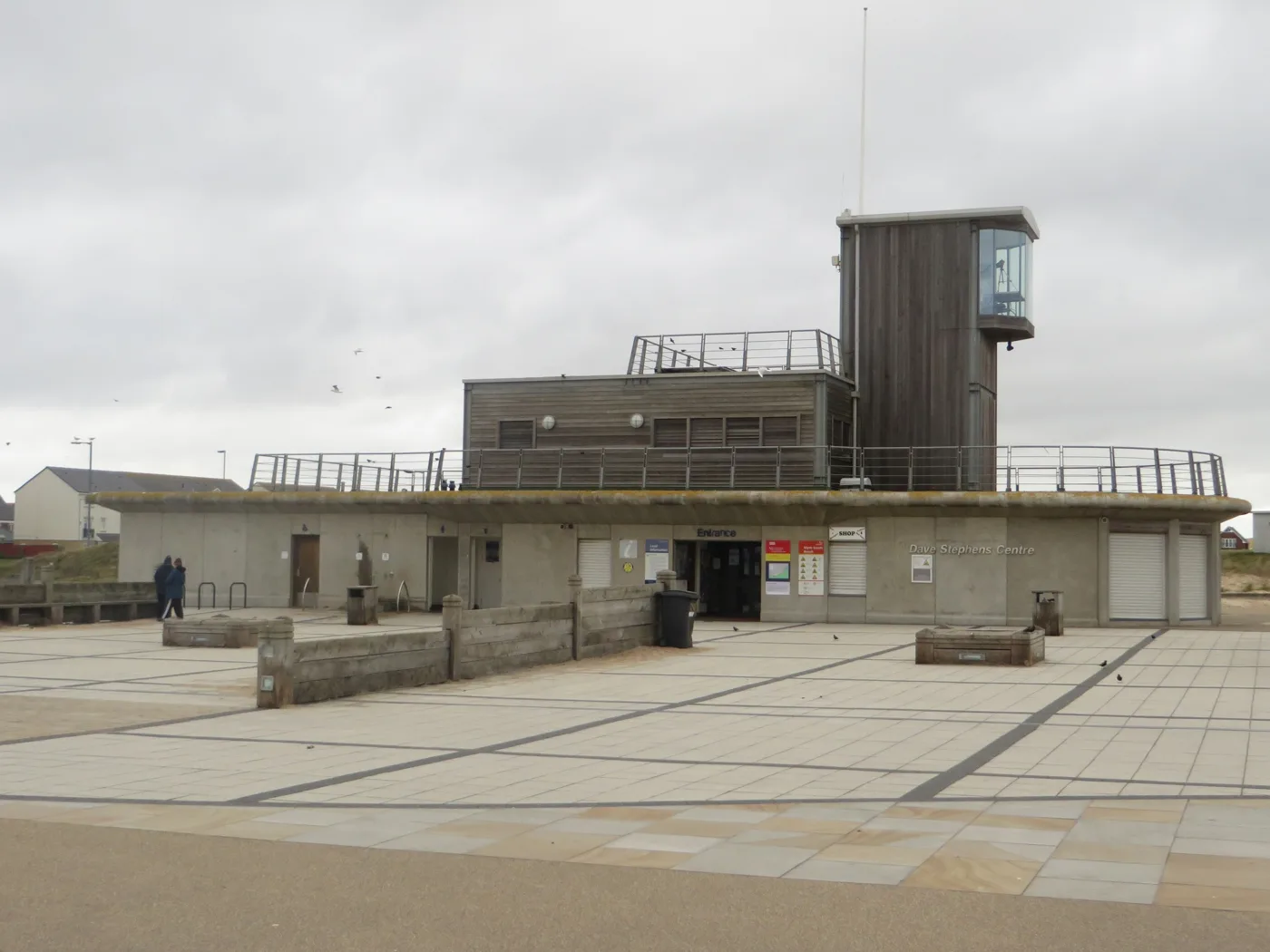
- Bathing is still advised against north of the Dave Stephens Centre, even though the bathing season has ended.
- Bathing south of the Dave Stephens Centre is not covered by the advice. It has been allowed again since mid-August, as we reported at the time.
The council gives no date for a clean-up. Its answer is that the work “will take time to complete safely and effectively”. It says it will give timescales once the site investigation is done.
The Environment Agency’s own bathing water register still lists the incident as open. The record for Blyth South Beach showed incident 04600-20260811-171000 open when we checked on 8 October. It is still classed there as “oil or fuel”, the type it was given when it was logged on 11 August.
Why now, if the works shut in 1980?
The council says it is still investigating why the pollution has only recently become visible. One possible explanation it gives is that large storms earlier this year disturbed the shoreline and brought more of it to the surface.
The Environment Agency’s findings explain the pattern:
- the pollution is contained in one area near the Hole in the Wall
- it seeps into the sand through contaminated groundwater
- it is expected to move north with the groundwater beneath the beach
- that is why the area south of the Dave Stephens Centre is expected to stay unaffected, which initial water samples support
- anything that reaches the sea is likely to be heavily diluted
The council also confirms there were earlier reports this year of oil-like pollution and a fuel smell at Blyth South Beach. Environment Agency officers who went out to them found no evidence on the beach. The council’s view is that the pollution only shows “under the right conditions or if disturbed”.
The routine summer tests were never looking for it
The bathing season samples at Blyth South Beach test for two kinds of sewage bacteria, not for creosote or oil. The last routine sample of the season, on 10 September, recorded 10 cfu/100ml for both E. coli and intestinal enterococci, according to the Environment Agency’s sample data. That is a good result for sewage, and says nothing about creosote. The new seawater programme is the first testing aimed at this pollution, and its results have not been published yet.
What it means for you
- Walking or swimming at Blyth: use the beach south of the Dave Stephens Centre. Keep out of the signed area to the north.
- Dog walkers: keep dogs off the affected stretch of beach and out of the water there.
- If you have been in the water there: the council puts the public health risk as low, but contact can cause eye and skin irritation. If you or your child feel unwell, speak to your GP.
- If you see pollution on the beach: report it to the Environment Agency’s 24 hour incident hotline on 0800 80 70 60.
- Businesses near the beach: the council acknowledges the restrictions are affecting local businesses. It has not announced any support or compensation.
We will update this story when the seawater results or a clean-up timetable are published. For what else is on across the county over the holidays, see our October half-term guide.
Have your say